Learning how to Live a Truly Meaningful Life becomes the central quest of the human journey as years slip quietly past. In our twenties and thirties, we rush forward chasing corporate prestige, financial accumulation, and social applause. Yet as time advances, a deeper contemplation emerges: when physical breath ceases, external trophies cannot accompany us. Discovering how to Live a Truly Meaningful Life through authentic Buddhist practice reveals the spiritual treasures that bring eternal peace.
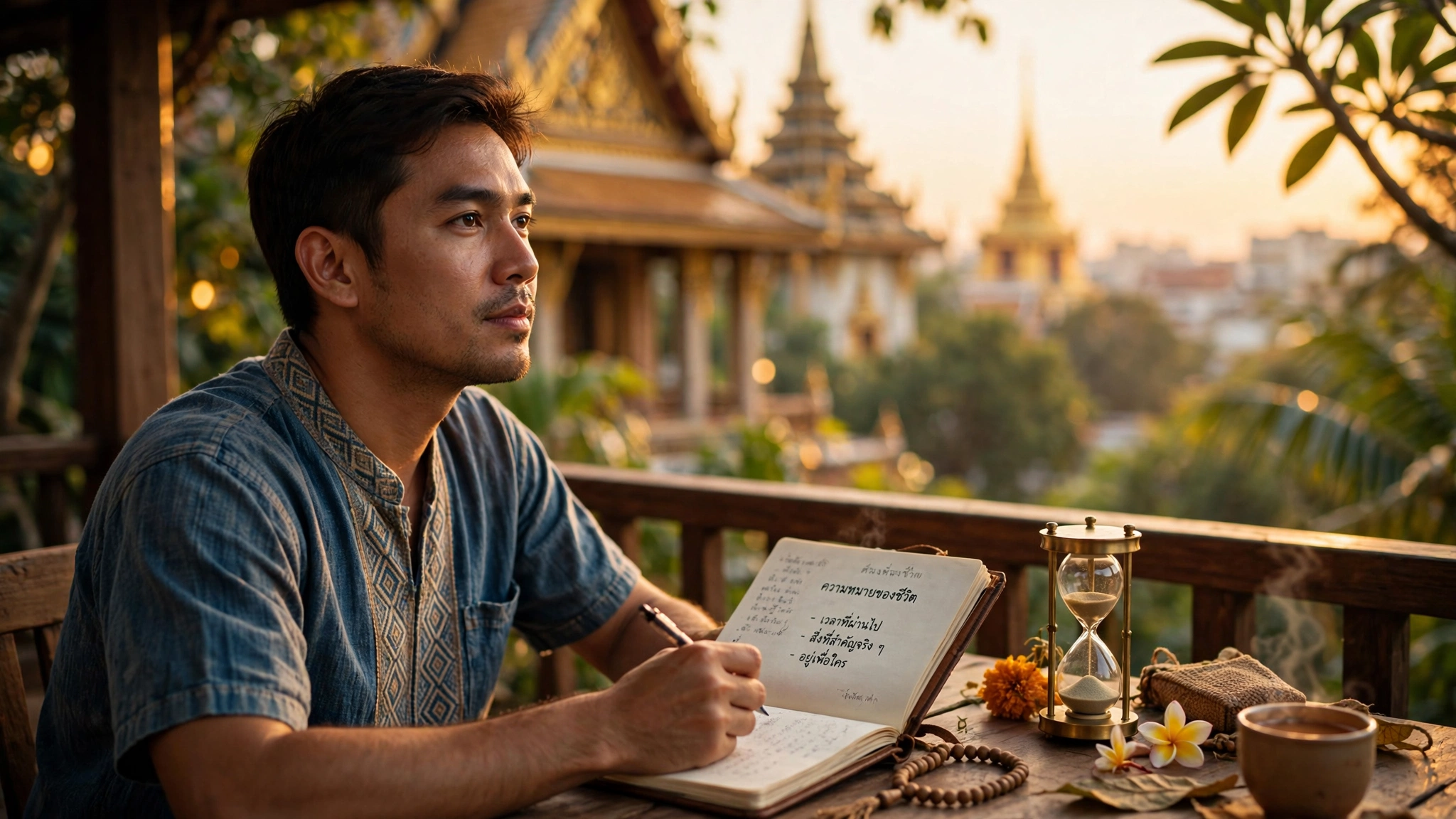
Table of Contents
The Illusion of Worldly Metrics: Why External Success Leaves Us Empty
Modern society conditions us to measure life through bank balances, luxury vehicles, executive titles, and digital followers. However, at the twilight of existence, these worldly trappings evaporate like morning mist. When individuals face terminal illness or old age, regrets never revolve around missed business meetings; they center on unexpressed kindness, unresolved hatred, and days lived in mindless distraction.
Live a Truly Meaningful Life: 5 Core Spiritual Pillars
To ensure our existence leaves an enduring legacy of wholesome merit (Kusala), practice these five spiritual foundations to Live a Truly Meaningful Life:
1. Dana (Selfless Generosity and Service)
Transform from a mere consumer of worldly resources into an active benefactor. Giving wealth, knowledge, forgiveness, and encouragement dissolves the suffocating fortress of ego, filling the heart with sublime joy (Piti).
2. Sila (Uncompromising Moral Purity)
Observing the Five Precepts (refraining from killing, stealing, sexual misconduct, lying, and intoxication) creates an unshakeable moral foundation. A conscience unburdened by guilt provides a peace of mind that all the wealth in the world cannot purchase.
3. Bhavana (Daily Mind Cultivation and Meditation)
Training the attention to rest gently at the center of the body allows the mind to discover its natural, luminous stillness. Once you experience inner peace, you no longer depend desperately on external validation.
4. Appamada (Heedfulness and Relentless Presence)
Live with conscious awareness that time is continuously running out. Treating each sunrise, breath, and conversation as an irreplaceable opportunity ensures we never take our existence for granted.
5. Cultivating Unconditional Goodwill (Metta)
Radiate unconditional friendliness toward all living beings without discrimination. Replacing defensive resentment with boundless compassion turns every human relationship into a sanctuary of mutual healing.
Reframing the Aging Process as a Gateway to Deep Wisdom
In the Buddhist worldview, grey hair and declining physical stamina are not curses to be lamented; they are revered as “Divine Messengers” (Devaduta) warning us to abandon triviality. Classical discourses preserved by Access to Insight Buddhist Sutta Translations remind us that understanding bodily decay frees us from vanity, directing our energies toward lasting spiritual attainment.
Deepen this understanding by exploring our contemplation on embracing Anicca and the law of impermanence.
The Daily Evening Merit Review: Checking the Ledger of the Heart
Before closing your eyes each evening, take five minutes to conduct an honest spiritual audit: “Did I act with compassion today? Did I practice patience when provoked? What wholesome seeds did I plant?” Rejoicing in daily virtuous actions (Mudita) purifies subconscious memories, ensuring peaceful sleep and confident living.
Examine how pure compassion differs from anxious clinging in our analysis of love versus attachment in Buddhism.
Practical Application in Daily Life
Integrating core Buddhist principles and mindfulness into daily life provides more than just temporary stress relief—it cultivates an unshakeable inner resilience. When we train the mind to remain grounded in present-moment awareness, unwholesome states such as anxiety, anger, and agitation naturally subside.
Key Benefits of Daily Mind Training
- Emotional Stability: Develops clarity and composure, preventing the mind from reacting impulsively to challenging external situations.
- Enhanced Clarity & Decision-Making: A peaceful mind sees reality clearly, allowing for wise, compassionate, and well-considered choices.
- Cultivation of Inner Merit (Kusala): Daily acts of virtue, meditation, and goodwill build enduring spiritual wealth that enriches our lives and uplifts those around us.
Start with simple, consistent steps: choose to Live a Truly Meaningful Life today, dedicate your talents to uplifting society, keep your mind clear in meditation, and walk the noble path with joyful purpose.